Find a Phonics Tutor Bali to help your child develop letter sound recognition, early reading skills, phonics awareness, and school readiness.
Learning to read is one of the most important milestones in a child’s early education. However, children do not develop reading skills simply by memorising words. They first need to understand how letters represent sounds and how those sounds come together to form words. A Phonics Tutor Bali can help young learners develop these essential skills through structured, engaging, and age appropriate lessons.
For families in Bali, early reading support can make a meaningful difference to a child’s confidence and school readiness. With individual guidance, children can explore letter sounds, recognise familiar patterns, practise pronunciation, and gradually learn to read simple words. More importantly, they can develop a positive relationship with reading from the beginning.
What Does a Phonics Tutor Bali Teach Young Learners?
A phonics tutor helps children understand the relationship between written letters and spoken sounds. This approach gives young learners a practical foundation for recognising and reading unfamiliar words.
Rather than asking children to memorise every word they encounter, phonics lessons introduce the sound patterns that help them work out how words are formed. As a result, children begin to approach reading with greater independence.
A phonics programme may introduce several essential skills, including letter recognition, sound awareness, blending, segmenting, and early spelling. Each skill supports the next stage of reading development.
For example, a child may first learn that the letter B represents the sound /b/. The tutor can then introduce simple words such as bat, bed, and bus. Through repetition and guided practice, the child begins to recognise the connection between the written letter and its sound.
This process creates a foundation that children can use as they encounter new vocabulary in books, classroom activities, and everyday situations.
Why Phonics Matters for Early Reading Development
Children benefit from learning how written language works before they face more demanding reading activities. Phonics helps them understand that words contain smaller sound units and that letters represent those sounds.
This understanding supports decoding, which means working out how to pronounce an unfamiliar written word. It also encourages children to become more confident readers because they can use their knowledge instead of relying entirely on memory.
Understanding Letter Sounds
Letter sound recognition is one of the first skills children explore during phonics lessons. They learn to associate individual letters with their most common sounds.
A tutor may introduce a few letters at a time and use familiar objects, pictures, songs, and simple activities to reinforce each sound. For instance, a lesson about the letter S might include pictures of a sun, a snake, and a sock.
These connections help children remember sounds more easily. In addition, a variety of activities keeps lessons interesting and gives children different opportunities to practise.
Learning to Blend Sounds
Blending allows children to combine individual sounds to read a complete word. It is an important step towards independent reading.
A tutor might introduce the sounds /c/, /a/, and /t/ separately before guiding the child to blend them into the word cat. At first, the child may need time to pronounce each sound clearly. With regular practice, the process becomes more natural.
Children can then apply the same skill to other simple words. This gradual progression helps them understand how reading works instead of treating every word as a separate item to memorise.
Developing Sound Segmentation
Segmentation teaches children to separate a spoken word into its individual sounds. For example, the word dog contains three sounds that children can identify separately.
This skill supports early spelling because children begin to recognise the sounds they need to represent when writing a word. It also strengthens their awareness of how spoken and written language connect.
A tutor can introduce segmentation through listening games, picture cards, and simple word activities. These exercises help children practise without making the lesson feel like a formal test.
How Early Literacy Tutoring Supports School Readiness
Early literacy involves more than learning the alphabet. Children also need opportunities to develop listening, speaking, vocabulary, comprehension, and an interest in books.
An early literacy tutor Bali can help children strengthen these areas through activities that match their age and current abilities. Rather than rushing towards advanced reading tasks, the tutor can build each skill gradually.
Building Vocabulary and Language Awareness
Children need a growing vocabulary to understand the stories and instructions they encounter. During lessons, a tutor can introduce new words through pictures, objects, conversations, and short stories.
For example, a story about animals can introduce words such as habitat, feathers, wings, and shelter. The tutor can explain their meanings using simple language and encourage the child to use them in sentences.
As children become familiar with more words, they can understand stories more easily. They also gain confidence when expressing their thoughts and describing what they see.
Improving Listening and Concentration
Listening plays an important role in early literacy. Children need to recognise sounds, follow instructions, and pay attention to spoken language before they can apply these skills to reading.
A tutor can use short listening games, rhymes, sound identification activities, and storytelling sessions. These activities encourage children to focus on specific sounds and follow simple sequences.
Furthermore, individual lessons allow the tutor to adjust the pace when a child needs a break or additional explanation.
Encouraging Interest in Books
A positive reading experience can influence how children approach books as they grow older. Therefore, early lessons should include enjoyable reading activities rather than focusing only on drills.
Picture books, repetitive stories, colourful illustrations, and familiar characters can help children engage with written language. A tutor can ask simple questions about the pictures and encourage the child to predict what might happen next.
Over time, children begin to see books as an enjoyable part of learning. This interest can support their progress both at home and at school.
What Happens During a Private Phonics Lesson?
A private phonics lesson usually follows a structured learning plan while allowing flexibility for the child’s needs. The tutor first considers the child’s current abilities, age, attention span, and previous experience with letters and sounds.
The lesson may begin with a short review of familiar sounds. After that, the tutor introduces a new concept and demonstrates how to use it. The child then practises through guided activities before attempting a task more independently.
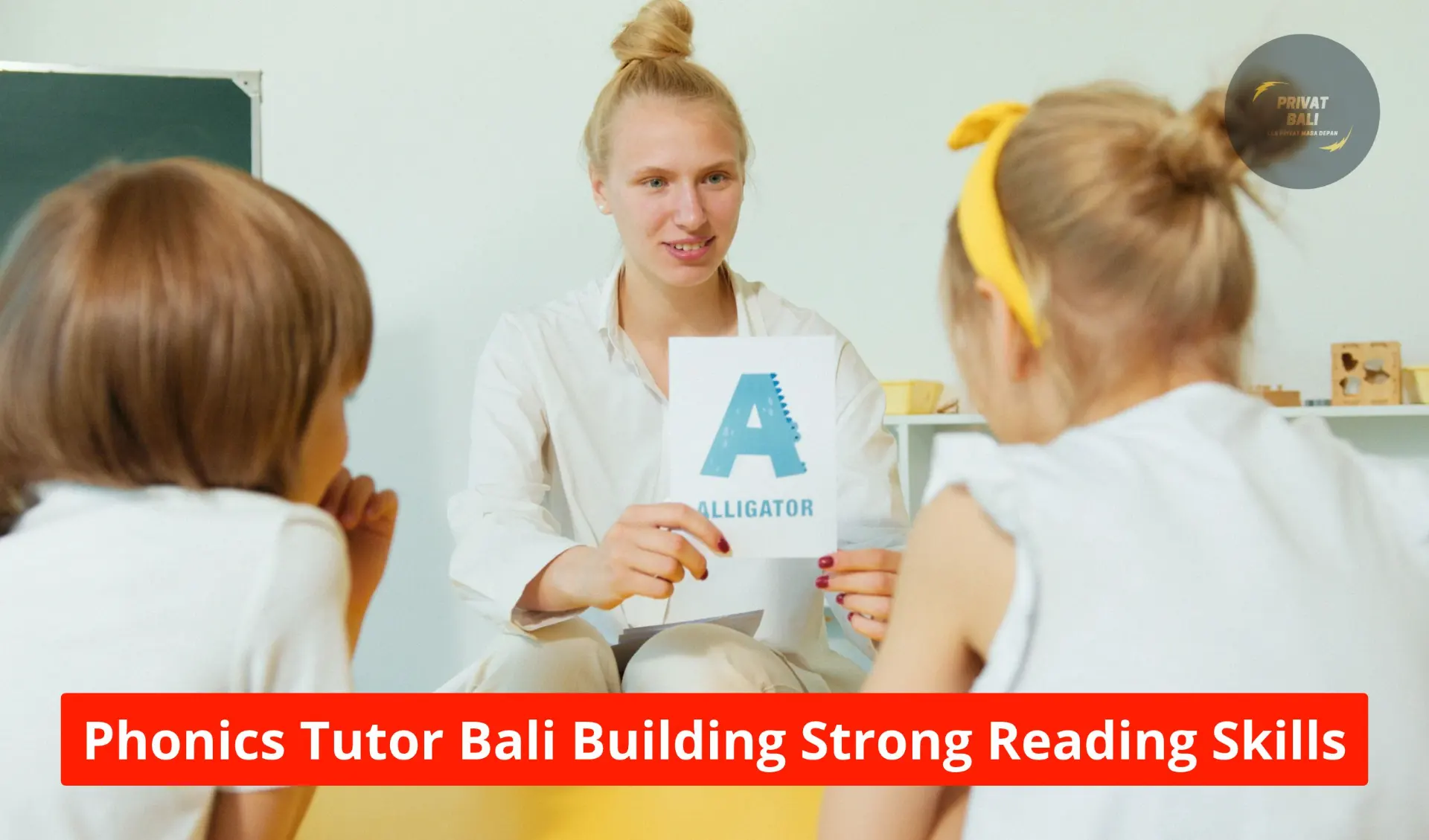
For example, a session might include letter sound recognition, blending simple words, reading a short passage, and reviewing new vocabulary. The tutor can also use flashcards, picture matching, magnetic letters, and storybooks.
However, the exact activities should depend on the child’s progress. Some children may need more time to recognise individual sounds, while others may already feel comfortable blending simple words.
This flexibility is one of the advantages of individual tutoring. Instead of following the same pace as a large group, children can receive attention that reflects their learning needs.
Choosing a Reading Tutor for Young Children in Bali
Finding the right reading tutor for young children Bali families can trust requires more than looking at a tutor’s availability. Parents should consider teaching experience, communication skills, lesson structure, and the tutor’s ability to work with young learners.
Early reading lessons require patience. Children may not understand a sound immediately, and they sometimes need several opportunities to practise before remembering it. A supportive tutor recognises these differences and encourages steady progress.
Look for a Structured Teaching Approach
A suitable tutor should understand the basic stages of phonics development. Lessons should introduce skills in a logical order, starting with sound awareness and letter recognition before moving towards blending and reading simple words.
Parents can ask how the tutor introduces new sounds, reviews previous material, and checks a child’s understanding. Clear answers can help families understand whether the teaching approach matches their expectations.
Consider Communication and Patience
Young children often learn through conversation, movement, repetition, and play. Therefore, a tutor should communicate clearly and create a comfortable learning environment.
Patience also matters when a child makes mistakes. Rather than immediately correcting every response, a good tutor can guide the child towards the correct answer through simple explanations and examples.
This approach helps children feel comfortable asking questions and trying unfamiliar activities.
Ask How Progress Is Reviewed
Parents benefit from understanding what their child learns during each stage of the programme. A tutor can provide simple updates about letter recognition, sound awareness, blending, vocabulary, and reading confidence.
Progress does not always happen at the same pace. Some children quickly recognise letters but need more time to blend sounds. Others may read simple words confidently while continuing to develop comprehension.
Regular communication helps parents recognise these differences and support learning at home.
Phonics Support for Multilingual Children in Bali
Bali has families from many cultural and language backgrounds. Some children grow up using Indonesian at home, while others regularly hear English, Balinese, or additional languages.
For multilingual children, English phonics can introduce sound patterns that differ from those they already know. Some English sounds may not appear in the child’s first language, so the child may need extra listening and pronunciation practice.
A phonics tutor can introduce these sounds gradually through clear examples and repetition. For instance, the tutor may compare similar sounding words and help the child notice the differences.
Parents should also understand that learning to read in English is not the same as learning to speak English fluently. Phonics focuses on the relationship between written letters and spoken sounds. Vocabulary, conversation, and comprehension require additional learning opportunities.
A balanced early literacy programme can support these areas without overwhelming the child.
Supporting Phonics Learning at Home
Private lessons can provide structured guidance, but children also benefit from simple reading activities at home. Parents do not need to create complicated exercises or spend long hours teaching.
Instead, short and enjoyable activities can reinforce what children learn during tutoring sessions.
Read Picture Books Together
Reading together gives children regular exposure to written words, sentence patterns, and new vocabulary. Parents can point to familiar objects in the illustrations and ask children to name them.
They can also invite children to describe a picture or predict what might happen next. These conversations support language development and reading comprehension.
Practise Letter Sounds Naturally
Parents can encourage children to notice letters in everyday surroundings. A shopping list, a food package, or a street sign can become an opportunity to recognise a familiar letter.
For example, parents might ask a child to find the letter M on a package. They can then practise its sound and identify another word that begins with the same sound.
Short activities like these help children connect classroom learning with real experiences.
Make Reading a Regular Habit
Consistency matters more than the length of each activity. A few minutes of reading every day can help children become familiar with books and written language.
Parents can create a comfortable reading corner with age appropriate books. They can also allow children to choose stories that match their interests.
When children enjoy the experience, they are more likely to return to books voluntarily.
How Parents Can Recognise Early Reading Progress
Every child develops at a different pace, so parents should avoid comparing their child’s progress with that of other children. Instead, they can look for gradual improvements in specific skills.
A child may begin by recognising a few letters and their sounds. Later, the child may identify familiar beginning sounds, blend simple words, or recognise common spelling patterns.
Other signs of progress include increased interest in books, improved listening, greater confidence when attempting unfamiliar words, and the ability to describe simple stories.
However, one successful reading activity does not automatically mean that a child has mastered the skill. Children need opportunities to practise different words and apply their knowledge in new situations.
Parents and tutors can work together to identify strengths and areas that need further attention. This cooperation creates a more consistent learning experience.
When Should Children Start Phonics Lessons?
Children can begin developing phonological awareness before they learn to read independently. Activities such as recognising rhymes, listening to beginning sounds, and playing with familiar words can introduce important early literacy concepts.
Formal phonics instruction often becomes more relevant during the preschool and kindergarten years. Nevertheless, the right starting point depends on the child’s development, language exposure, interest, and readiness.
Some children enjoy exploring letters at an early age. Others need more time to develop listening skills and confidence before beginning structured reading activities.
Parents do not need to rush the process. A suitable tutor can assess the child’s current abilities and recommend an appropriate learning pace.
The main objective is to build strong foundations while keeping the experience positive and age appropriate.
Why Individual Phonics Tutoring Can Benefit Young Learners
Children have different learning preferences. Some respond well to pictures and visual activities, while others learn more comfortably through listening, movement, or repetition.
Individual tutoring gives the tutor more opportunities to observe these preferences. The tutor can adjust explanations, activities, and lesson pacing according to the child’s response.
For example, a child who struggles to remember letter sounds may benefit from picture associations and repeated listening exercises. Another child who already recognises letters may need more practice with blending and reading simple sentences.
Private tutoring also creates opportunities for immediate feedback. The tutor can identify misunderstandings early and introduce additional practice before moving to a more challenging concept.
For parents, this approach can provide a clearer picture of their child’s learning journey. It also allows families to discuss specific goals and areas of concern directly with the tutor.
Explore Phonics and Early Literacy Tutoring with Privat Bali
A strong reading foundation begins with the right learning experiences. Children benefit when lessons match their development, encourage curiosity, and provide consistent opportunities to practise.
Privat Bali offers families an opportunity to enquire about private tutoring support for children’s learning needs in Bali. Parents can discuss their child’s age, current reading ability, learning goals, and preferred lesson arrangements before choosing a suitable programme.
Whether a child needs help recognising letter sounds, blending simple words, developing early literacy, or preparing for school, individual guidance can make the learning process more focused and enjoyable.
If you are considering phonics lessons for your child, explore the available tutoring options through the Privat Bali shop. You can share your requirements and enquire about suitable arrangements for your family.
Visit https://www.privatbali.com/shop to explore private tutoring programmes and take the next step towards building your child’s reading confidence.
Frequently Asked Questions About Phonics Tutor Bali
What does a phonics tutor do?
A phonics tutor teaches children how letters represent sounds and how they can combine those sounds to read words. Lessons may include letter recognition, blending, segmentation, pronunciation, and early spelling activities.
At what age can children start phonics lessons?
Many children begin exploring phonics during their preschool or kindergarten years. However, the ideal starting point depends on their development, interest, language experience, and readiness to learn.
Is phonics suitable for children who cannot read yet?
Yes. Phonics can help beginners understand the relationship between letters and sounds. A tutor can introduce simple concepts gradually and provide opportunities to practise before moving towards more advanced reading tasks.
How does phonics help children prepare for school?
Phonics supports early reading and spelling development. It can also strengthen sound awareness, vocabulary, listening, and confidence when children encounter written language in the classroom.
Can phonics help children who speak more than one language?
Yes. Multilingual children can benefit from structured phonics lessons, particularly when they are learning to read in English. A tutor can help them recognise English sound patterns and practise pronunciation at an appropriate pace.
How long does it take for a child to learn phonics?
The time varies according to the child’s age, previous experience, learning pace, and opportunities to practise. Some children recognise basic letter sounds quickly, while others need more time to develop blending and reading skills.
What materials do children use during phonics lessons?
Tutors may use picture cards, alphabet cards, magnetic letters, storybooks, worksheets, sound games, and simple reading activities. The choice of materials depends on the child’s age and learning needs.
Can parents support phonics learning at home?
Yes. Parents can read picture books with their children, practise familiar letter sounds, play listening games, and encourage children to notice letters in everyday surroundings. Short and regular activities can reinforce lesson content.
How can I find a suitable phonics tutor in Bali?
Parents can enquire through Privat Bali and explain their child’s age, current reading ability, and learning goals. This information can help the team discuss suitable tutoring arrangements and availability.
Related Articles for Parents and Young Learners
For more information about private tutoring and early academic development in Bali, explore these related articles.
Preschool and Kindergarten Tutor Bali
English Speaking Academic Tutor Bali
Long Term Private Tutoring Bali
Six Month Private Tutoring Bali
Exam Preparation Specialist Bali for Confident Academic Results