Looking for a consistent private tutor in Bali? Discover tutor matching, regular schedules, learning continuity, and replacement arrangements for children.
Choosing a private tutor involves more than finding someone who understands a particular subject. Children also benefit from learning with a teacher who understands their abilities, recognises their challenges, and follows their academic development over time. For this reason, many parents look for a Consistent Private Tutor Bali who can provide continuity throughout the school year.
A consistent tutoring arrangement allows children to develop a comfortable learning relationship with the same teacher. As a result, the tutor can become familiar with the child’s learning habits, academic strengths, areas for improvement, and personal learning pace. This familiarity can make each lesson more focused and productive.
However, maintaining tutor consistency requires careful planning. Parents need to consider tutor matching, lesson schedules, communication, progress monitoring, and arrangements for unexpected changes. Therefore, understanding how a tutoring programme maintains continuity can help families make a more informed decision.
At Privat Bali, families can enquire about private tutoring arrangements that suit their children’s educational needs, preferred subjects, and schedules. The aim is to help parents find an appropriate tutor and establish a structured learning routine that supports steady academic development.
Why a Consistent Private Tutor Matters for Children
Children often need time to become comfortable with a new teacher. During the first few lessons, a tutor may focus on understanding the child’s personality, existing knowledge, learning preferences, and academic difficulties. Once this understanding develops, the teacher can plan lessons with greater direction.
When children continue learning with the same tutor, they do not need to explain their learning history repeatedly. Instead, the teacher can build on previous lessons and guide the child towards the next learning objective.
This continuity can be particularly valuable for children who need regular support with school subjects, reading development, mathematics, English, or examination preparation.
Building a Familiar Learning Relationship
A familiar teacher can help children feel more comfortable asking questions. Some students hesitate to speak when they meet a new tutor because they need time to understand the teacher’s communication style.
Over time, however, a consistent tutor can recognise when a child feels uncertain or needs further explanation. The teacher can also adjust the lesson approach to match the child’s confidence and understanding.
Consequently, children may participate more actively during lessons. They can discuss mistakes, request additional examples, and approach challenging topics with greater confidence.
A positive learning relationship does not develop overnight. Instead, it grows through regular communication, clear expectations, patience, and consistent teaching.
Understanding a Child’s Academic Development
A tutor who works with the same student over several months can observe changes in the child’s academic performance. For example, a mathematics tutor may notice that a student understands basic calculations but struggles with word problems.
Rather than repeatedly reviewing familiar exercises, the tutor can gradually introduce more challenging questions. Similarly, an English tutor may identify whether a child needs additional practice with vocabulary, grammar, reading comprehension, or speaking.
This understanding helps the teacher make more informed decisions about lesson content. In addition, parents can receive a clearer picture of their child’s development because the tutor has followed the learning process over time.
Maintaining Learning Momentum Throughout the School Year
Children often study several subjects while managing homework, school projects, examinations, and extracurricular activities. Without a regular learning routine, they may find it difficult to maintain steady progress.
A consistent private tutor can help establish a manageable schedule. The tutor can connect each lesson with previous topics and prepare the child for upcoming schoolwork.
For example, a student who receives weekly mathematics support can review classroom material, practise difficult questions, and prepare for the next topic. Therefore, each meeting contributes to a broader learning plan instead of becoming an isolated lesson.
How Privat Bali Matches Children With a Suitable Tutor
Finding the right teacher requires more than checking subject knowledge. Parents should also consider teaching experience, communication, availability, educational background, and the child’s individual needs.
A suitable matching process begins with understanding the student. This information helps identify the type of tutor who may work well with the child.
Understanding the Child’s Learning Requirements
Before arranging lessons, parents can explain the child’s school level, subjects, curriculum, learning objectives, and current challenges. They can also describe whether the child needs regular academic guidance, additional practice, examination preparation, or help understanding specific topics.
For instance, a primary school student who needs support with reading may benefit from a tutor who understands early literacy development. Meanwhile, a secondary school student preparing for important examinations may require a teacher with relevant subject knowledge and examination experience.
Parents should also communicate their expectations regarding lesson frequency and preferred teaching arrangements. This information helps establish a clearer starting point for the tutoring programme.
Considering Teaching Experience and Subject Knowledge
A tutor should have relevant knowledge of the subject and understand the academic level of the student. However, strong subject knowledge alone does not guarantee effective teaching.
The teacher also needs to explain concepts clearly, recognise misunderstandings, and select suitable exercises. Furthermore, the tutor should understand the student’s school requirements and adapt lessons when necessary.
For students following international curricula, parents may wish to discuss experience with Cambridge, IGCSE, IB, or other relevant academic programmes. The tutor’s familiarity with the curriculum can help make lessons more relevant to the student’s schoolwork.
Matching Teaching Styles With Children’s Personalities
Every child responds differently to teaching methods. Some students enjoy visual explanations, while others prefer written examples, practical exercises, or step by step guidance.
A tutor who understands these differences can make lessons more engaging. For example, a child who struggles with abstract mathematics may understand a concept more easily through diagrams and everyday examples.
Likewise, a student who feels nervous about speaking English may benefit from patient conversation practice before moving towards more demanding speaking activities.
Therefore, parents should consider whether the tutor’s communication style and teaching approach are appropriate for their children.
Keeping the Same Private Tutor Throughout the School Year
Many parents prefer the same private tutor throughout the school year because continuity can make academic planning easier. When a teacher remains familiar with the student, lessons can follow a more connected structure.
The phrase same private tutor throughout the school year Bali reflects an important concern among families. Parents want to know whether their children can maintain a stable learning relationship instead of frequently adjusting to different teachers.
Although tutor continuity depends on individual availability and programme arrangements, families can discuss their expectations before lessons begin.
Establishing a Clear Tutoring Arrangement
A stable programme should begin with clear communication. Parents and the tutoring provider can discuss the expected lesson frequency, duration, subjects, location, and preferred days.
It is also helpful to discuss the intended length of the arrangement. Some families need support for a particular school term, while others prefer a longer programme that continues throughout the academic year.
By discussing these details early, parents can establish realistic expectations. They can also understand how the tutoring provider manages scheduling changes, tutor availability, and requests for adjustments.
Creating a Structured Learning Plan
A consistent tutor needs a clear direction for each stage of learning. Without a plan, lessons may become repetitive or focus too heavily on immediate homework.
A structured learning plan can include the child’s current academic level, learning objectives, topics that require improvement, and upcoming school assessments.
For example, a tutor supporting a secondary school student may begin by reviewing the student’s understanding of essential concepts. Next, the teacher can introduce more challenging material and provide exercises that gradually increase in difficulty.
The tutor can then review the student’s performance and adjust future lessons. This process creates a connection between one meeting and the next.
Reviewing Progress Without Changing Teachers Unnecessarily
Academic progress does not always happen at the same speed. Some children understand new material quickly, while others need additional explanation and practice.
A consistent tutor can observe these differences and adjust the learning pace. Parents can also discuss the child’s progress through regular communication.
If a student continues to struggle with a particular topic, the teacher can identify possible gaps in understanding. On the other hand, when a child demonstrates stronger performance, the tutor can introduce more advanced exercises.
This approach allows the tutoring programme to respond to the student’s actual development rather than follow a fixed routine without considering individual needs.
Maintaining Consistent Tutoring Schedules in Bali
A suitable tutor needs a practical schedule that works for both the student and the teacher. In Bali, families may have different daily routines depending on school hours, commuting arrangements, extracurricular activities, and family commitments.
Consequently, scheduling deserves attention from the beginning of a tutoring programme.
Choosing a Realistic Weekly Schedule
Parents should select lesson times that allow children to concentrate. A session immediately after a demanding school day may not always produce the best learning experience.
Some students prefer lessons in the afternoon, while others learn more comfortably in the early evening or during weekends. The right arrangement depends on the child’s age, energy level, and existing activities.
A regular weekly schedule can also help children develop better study habits. When they know when their tutoring sessions take place, they can prepare school materials and organise homework more effectively.
Managing Schedule Changes
Occasional changes may occur because of school events, family activities, illness, traffic, or tutor commitments. Therefore, parents should understand the provider’s arrangements for rescheduling before starting a programme.
Clear communication helps prevent confusion. Parents can inform the tutoring provider as early as possible when they need to change a lesson time.
Likewise, the tutoring provider should communicate relevant scheduling updates clearly. When both parties understand the agreed arrangements, they can manage changes without unnecessarily disrupting the child’s learning routine.
Supporting Long Term Learning Consistency
A consistent schedule can help children maintain regular contact with their subjects. Instead of studying only when an examination approaches, they can review material throughout the school year.
For example, a student who receives mathematics tutoring once or twice a week may have more opportunities to practise difficult concepts. Regular English lessons can also help students develop vocabulary, reading comprehension, and speaking confidence over time.
The frequency of lessons should match the child’s needs and the family’s schedule. More lessons do not automatically produce better results. Instead, a realistic routine with meaningful learning objectives can provide a more sustainable approach.
Tutor Replacement Policy and What Parents Should Understand
Tutor continuity matters, but families should also understand what happens when a teacher cannot continue. A tutor may experience a schedule change, personal circumstances, relocation, or another commitment that affects availability.
A responsible tutoring arrangement should explain how the provider communicates and manages such situations.
When Might a Tutor Replacement Become Necessary
Tutor replacement may become necessary when the original teacher can no longer maintain the agreed schedule. It may also arise when the student’s academic requirements change or the family requests a different teaching approach.
In some situations, parents may feel that the teaching relationship does not match their child’s learning needs. For example, a student may require more structured examination preparation, while the current tutor focuses mainly on general subject support.
In these circumstances, parents can discuss their concerns with the tutoring provider. An open conversation can help determine whether the teacher can adjust the lessons or whether another tutor may be more appropriate.
How a Tutor Change Should Be Managed
A tutor change should involve clear communication. Parents should understand why the change is necessary, when it will take place, and what arrangements the provider can offer.
When a replacement becomes necessary, the new tutor should receive relevant information about the student’s academic level, learning objectives, completed topics, and areas that still need attention.
This handover can reduce unnecessary repetition. It also gives the replacement teacher a clearer starting point.
Parents can help by sharing recent school materials, exercise results, teacher feedback, and information about topics that the child finds difficult.
Questions Parents Should Ask About Replacement Arrangements
Before enrolling, parents can ask how the tutoring provider handles unexpected tutor unavailability. They may also wish to clarify whether the provider can search for another suitable teacher and how it communicates the proposed replacement.
It is important to understand that replacement arrangements depend on tutor availability, subject requirements, location, and scheduling. Families should therefore confirm the specific terms directly with the provider rather than assume that every request will follow the same process.
Parents can also ask whether they may discuss a proposed replacement before the new teacher begins. This conversation helps maintain transparency and gives families an opportunity to explain their expectations.
Protecting Learning Continuity During a Teacher Change
A change of teacher does not have to mean starting the entire programme again. A useful handover can preserve much of the student’s learning progress.
The previous tutor’s lesson notes, completed exercises, and learning objectives can help the new teacher understand what the child has already studied.
Additionally, parents can explain which teaching methods worked well and which areas require further attention. The replacement tutor can then review the student’s understanding before continuing with new material.
This process supports continuity even when the original teacher cannot remain in the programme.
Continuity of Tutoring Bali for Different School Levels
The importance of tutor consistency can vary depending on a child’s age, academic level, and educational goals. Nevertheless, regular guidance can support students at different stages of their education.
Preschool and Primary School Students
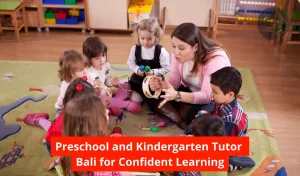
Young children often benefit from familiar routines and clear communication. A consistent tutor can help them become comfortable with learning activities such as reading, writing, counting, phonics, and basic English.
At this stage, lessons should suit the child’s attention span and developmental level. Short activities, repetition, encouragement, and practical examples can make learning more enjoyable.
Parents can explore additional guidance through the Preschool and Kindergarten Tutor Bali programme.
Junior and Senior Secondary School Students
Secondary school students often study several subjects with increasing academic demands. A consistent tutor can help them organise difficult topics, review classroom material, and develop independent study habits.
For example, a student may need regular support with mathematics and science while preparing for school assessments. The tutor can identify recurring difficulties and plan additional practice accordingly.
Students who need broader academic support can also explore the Long Term Private Tutoring Bali programme.
International School Students
Students following international curricula may need tutors who understand particular subject requirements and assessment formats.
A consistent teacher can become familiar with the student’s school materials, curriculum expectations, and academic targets. This familiarity can help the tutor connect private lessons with classroom learning.
Parents should discuss the student’s curriculum and subject requirements before selecting a teacher. They can also ask about relevant tutoring experience to determine whether the proposed arrangement suits their child’s needs.
Students Preparing for Important Examinations
Examination preparation often requires a structured programme over several weeks or months. Students may need to review fundamental concepts, practise examination questions, improve time management, and address weaker areas.
A consistent tutor can follow the student’s preparation more closely. The teacher can also adjust practice activities according to the student’s performance.
Families can learn more about focused academic preparation through Exam Preparation Specialist Bali for Confident Academic Results.
How Parents Can Support a Consistent Tutoring Programme
A successful tutoring programme involves cooperation between the student, tutor, parents, and tutoring provider. While the teacher guides academic learning, parents can help create an environment that supports regular study.
Communicating Expectations From the Beginning
Parents should explain what they hope their children will achieve. These goals may include improving school grades, understanding difficult subjects, developing reading skills, or preparing for examinations.
It is also useful to share information about the child’s learning habits. For example, parents can explain whether the student prefers written instructions, needs additional encouragement, or benefits from practical examples.
Clear expectations help the tutor plan lessons that match the student’s needs.
Preparing a Suitable Learning Environment
A quiet and organised study area can help children concentrate during private lessons. Parents can prepare textbooks, notebooks, stationery, school assignments, and other relevant materials before the tutor arrives.
Furthermore, reducing unnecessary distractions can make lesson time more productive. A comfortable learning environment also helps the child develop a more positive attitude towards regular study.
Encouraging Children to Participate
Children should have opportunities to ask questions and express difficulties. Parents can encourage them to explain which topics they understand and which ones still feel challenging.
This feedback can help the tutor adjust future lessons. In addition, children may develop greater responsibility for their learning when they take an active role in discussions.
Reviewing Progress Together
Parents do not need to monitor every exercise. However, occasional conversations with the tutor can help them understand the child’s development.
They can ask which topics the student has completed, what areas require more practice, and what the tutor plans to cover next.
These discussions create a clearer connection between tutoring sessions and the child’s wider educational progress.
Choosing a Consistent Private Tutor Bali Programme
Selecting a tutoring programme is an important decision because it affects a child’s weekly routine and learning experience. Parents should consider more than the lesson price or the tutor’s subject knowledge.
A suitable arrangement should take account of the student’s needs, tutor availability, lesson frequency, communication, and arrangements for unexpected changes.
Look Beyond the First Lesson
An introductory lesson can help families understand whether a tutor communicates well with the child. However, the first meeting does not always reveal how the teacher will support academic development over several months.
Parents should consider whether the tutor can follow a structured learning plan and respond to changes in the student’s needs.
They can also discuss how the tutor will review completed topics and communicate progress.
Discuss Long Term Availability
If families want the same tutor throughout the school year, they should explain this preference before lessons begin.
The provider can then consider the request alongside tutor availability and the proposed schedule. Although long term continuity may be an important goal, parents should confirm the arrangement and understand the possibility of changes.
This discussion can help avoid misunderstandings later.
Understand Programme Details Before Enrolling
Before making a decision, parents should review the programme details carefully. These may include registration requirements, lesson duration, monthly frequency, payment arrangements, cancellation procedures, and tutor replacement terms.
When families understand these details, they can plan their children’s tutoring routine with greater confidence.
For parents who prefer an extended learning arrangement, the Six Month Private Tutoring Bali programme provides another relevant option to explore.
Find a Private Tutor Who Supports Consistent Learning
Every child deserves an opportunity to learn with guidance that reflects their individual needs. A familiar tutor, a realistic schedule, and a clear learning plan can help children develop stronger study habits and maintain academic momentum.
If you are looking for a consistent tutor for children Bali, start by discussing your child’s school level, subjects, learning goals, and preferred schedule. These details can help identify a suitable tutoring arrangement.
Privat Bali welcomes enquiries from parents who want to explore private tutoring for preschool, primary, secondary, and international school students. Families can explain their expectations regarding tutor continuity and ask about current teacher availability, scheduling, and replacement arrangements.
Visit the Privat Bali tutoring registration page to explore available programmes and enquire about a suitable private tutor for your child.
Frequently Asked Questions About Consistent Private Tutor Bali
Can My Child Have the Same Private Tutor Throughout the School Year?
Families can request a consistent tutor when discussing their tutoring arrangements. The provider can consider the preference according to the teacher’s availability, subject requirements, location, and schedule. Parents should confirm the expected arrangement before lessons begin.
Why Does Tutor Consistency Matter for Children?
A consistent tutor becomes familiar with the child’s academic level, learning habits, strengths, and difficulties. This familiarity can help the teacher connect lessons, adjust teaching methods, and provide more relevant guidance over time.
How Does Privat Bali Match Students With Tutors?
The matching process can consider the student’s school level, subjects, learning objectives, curriculum, preferred schedule, and other relevant requirements. Parents should provide clear information so the provider can explore an appropriate tutor arrangement.
What Happens If the Assigned Tutor Becomes Unavailable?
Parents should contact the tutoring provider to discuss the situation and available arrangements. If a replacement becomes necessary, the provider can explain the options according to current tutor availability and the student’s requirements.
Will a New Tutor Know What My Child Has Already Studied?
Parents can help maintain continuity by sharing previous lesson notes, completed exercises, school materials, and learning objectives. This information gives a replacement tutor a clearer understanding of the student’s progress.
How Often Should My Child Have Private Tutoring?
The appropriate frequency depends on the child’s academic needs, school workload, learning goals, and family schedule. Some students benefit from weekly lessons, while others may need more frequent support during demanding academic periods.
Can Parents Request a Tutor With International Curriculum Experience?
Parents can explain whether their child follows Cambridge, IGCSE, IB, or another international curriculum. They should also specify the relevant subjects and school requirements so the provider can consider an appropriate tutor.
How Can Parents Check Their Child’s Tutoring Progress?
Parents can communicate with the tutor about completed topics, areas that need improvement, and upcoming learning objectives. Reviewing exercises and discussing school performance can also provide useful information about the child’s development.
Does a Consistent Tutor Guarantee Better School Grades?
No tutor can guarantee a particular academic result. However, regular guidance, suitable teaching methods, active student participation, and consistent practice can support better understanding and stronger study habits.
Where Can Parents Enquire About Private Tutoring in Bali?
Parents can visit the Privat Bali registration page at https://www.privatbali.com/shop to explore tutoring programmes and submit an enquiry. They can explain their child’s requirements and discuss tutor availability, scheduling, and continuity.
Related Articles
For additional information about private tutoring arrangements and academic support in Bali, explore these related articles.
Long Term Private Tutoring Bali
Six Month Private Tutoring Bali
Annual Private Tutoring Bali for Consistent Academic Growth
Preschool and Kindergarten Tutor Bali for Confident Learning
English Speaking Academic Tutor Bali
Exam Preparation Specialist Bali for Confident Academic Results