Discover Long Term Private Tutoring Bali with personalized learning plans, consistent tutor support, flexible schedules, and regular academic progress reviews.
Why Long Term Private Tutoring Bali Supports Lasting Academic Progress
Academic progress rarely happens overnight. Students need time to understand difficult concepts, practise new skills, correct mistakes, and develop confidence in their abilities.
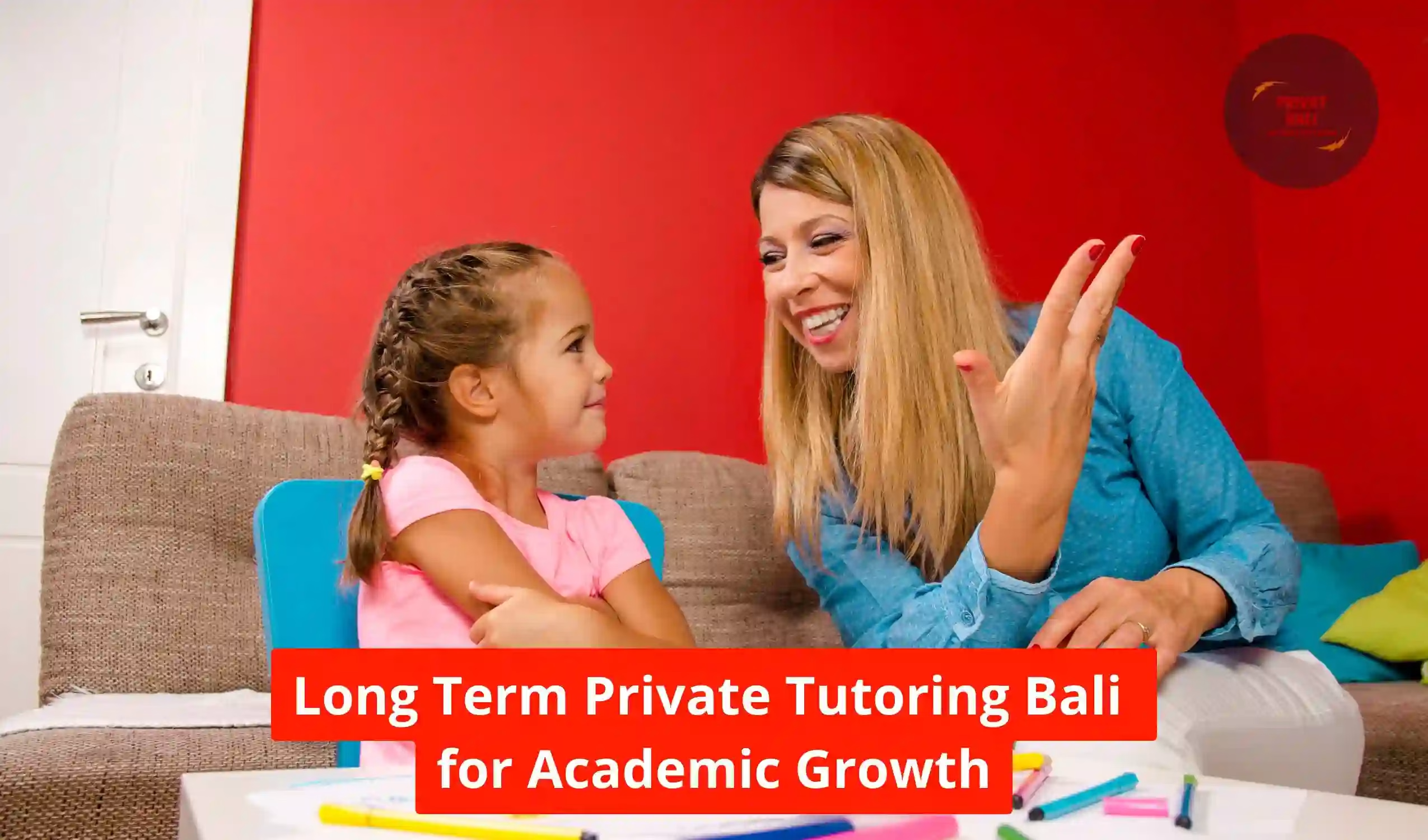
For families seeking consistent educational support, Long Term Private Tutoring Bali offers a practical way to make learning a regular part of everyday life.
Unlike occasional lessons that address a single assignment or upcoming examination, long term tutoring creates continuity.
A tutor can follow a student’s development, identify recurring difficulties, and adjust teaching methods as academic needs change. Consequently, students receive guidance that extends beyond immediate classroom challenges.
In Bali, families have different educational priorities. Some children attend national schools, while others follow international curricula or study through homeschooling arrangements.
Meanwhile, expatriate families may need additional support as their children adapt to a new school environment, language, or academic system.
A consistent private tutor helps students navigate these transitions with greater confidence. Rather than rushing through disconnected topics, the tutor can establish clear learning objectives and gradually strengthen essential skills.
For parents, this approach also provides a clearer understanding of their child’s progress. Regular communication, structured lessons, and periodic reviews help families make informed decisions about the next stage of learning.
What Is Long Term Private Tutoring in Bali?
Long term private tutoring is an ongoing educational arrangement in which a student receives individual guidance over an extended period. Depending on the student’s needs, the arrangement may continue throughout a school term, an academic year, or several stages of education.
The primary purpose is to build knowledge progressively. Instead of concentrating exclusively on immediate academic problems, the tutor helps the student strengthen foundational understanding while preparing for future learning requirements.
For example, a student who struggles with mathematics may need more than additional practice before an examination. The underlying difficulty could involve fractions, multiplication, algebraic reasoning, or interpreting mathematical questions. A tutor can identify these gaps and revisit the relevant concepts before introducing more advanced material.
Similarly, an English learner may need sustained practice in grammar, reading comprehension, vocabulary, and written expression. Over time, consistent feedback can help the student communicate ideas more clearly and approach unfamiliar tasks with greater independence.
Long term tutoring does not require an inflexible commitment. Families can discuss their objectives, preferred schedules, and expected duration before beginning. They can also review the arrangement as circumstances change.
The key is to establish a realistic learning routine that supports measurable development without placing unnecessary pressure on the student.
Who Benefits From Ongoing Private Tutoring Bali?
Ongoing private tutoring Bali can support students at different ages and academic levels. However, the most effective programme depends on the learner’s specific circumstances, existing abilities, and educational goals.
Primary School Students Building Strong Foundations
Primary school provides the foundation for future academic learning. During these years, children develop essential reading, writing, numeracy, concentration, and problem solving skills.
When a student experiences difficulties with basic concepts, those challenges may affect more advanced subjects later. Regular tutoring gives the child additional opportunities to revisit lessons, ask questions, and practise at a comfortable pace.
Moreover, a familiar tutor can recognise patterns in the child’s learning. This understanding helps the tutor choose appropriate explanations and activities rather than relying on the same approach for every student.
Secondary School Students Managing Increasing Demands
As students progress into secondary school, subjects become more demanding. Mathematics introduces increasingly complex reasoning, science requires deeper conceptual understanding, and language subjects demand stronger analytical and writing skills.
Consequently, students may benefit from a regular tutoring schedule that complements their school lessons. Weekly sessions can help them review challenging topics, complete practice exercises, and prepare steadily for assessments.
This approach also encourages better study habits. Instead of leaving every assignment until the last minute, students learn to divide larger tasks into manageable steps and address difficulties before they accumulate.
International School Students Following Global Curricula
Bali attracts families whose children study under Cambridge, British, International Baccalaureate, Australian, American, and other educational frameworks.
These programmes may require different approaches to coursework, assessment, academic writing, and independent research. Therefore, families should look for a tutor who understands the student’s actual curriculum and can support its learning objectives.
Long term tutoring allows the tutor to become familiar with the student’s subjects and academic expectations. Over time, this familiarity can make lessons more relevant and help students approach demanding assignments with greater confidence.
Students Preparing for Important Examinations
Examination preparation often requires sustained effort rather than a short burst of revision.
Students preparing for school examinations, Cambridge assessments, or university entrance tests may need time to revisit foundational concepts, practise different question types, and improve their examination techniques.
A long term arrangement provides opportunities to identify weaknesses early and monitor improvement through practice tasks. As the examination approaches, the tutor can gradually shift the emphasis towards revision, time management, and exam specific preparation.
How Long Term Home Tutoring Bali Fits Family Life
Convenience plays an important role in maintaining a consistent learning routine. When lessons require complicated travel arrangements or frequent schedule changes, families may find it harder to maintain regular attendance.
Long term home tutoring Bali offers an alternative by allowing students to learn in a familiar environment. Depending on the service arrangement, families may choose home visits, online lessons, or another suitable learning format.
Home based lessons can reduce the disruption associated with travelling to a separate learning centre. Furthermore, students may feel more comfortable asking questions and discussing difficult topics in a familiar setting.
For busy households, the ability to coordinate tutoring around school hours, extracurricular activities, and family responsibilities can make a meaningful difference.
Online tutoring offers additional flexibility when families travel or cannot arrange an in person session. However, the suitability of online learning depends on the student’s age, attention span, subject requirements, and access to reliable technology.
Before choosing a format, parents should consider which environment will help their child concentrate and participate actively.
Choosing the Right Private Tutor for Long Term Learning
A successful long term arrangement depends on more than subject knowledge. The tutor should also communicate clearly, understand the student’s learning needs, and provide an approach that supports steady development.
Match the Tutor to the Student’s Goals
Start by identifying what the student needs to achieve. Some learners require help with specific subjects, while others need broader academic guidance or preparation for an international curriculum.
A tutor who specialises in the relevant subject and understands the student’s educational level can create more focused lessons. Therefore, families should explain their expectations before choosing a tutor.
Useful information includes the student’s year group, school curriculum, current challenges, preferred learning format, and short term priorities.
Consider Teaching Style and Personal Compatibility
Students learn in different ways. Some respond well to visual explanations, while others benefit from practical examples, guided discussion, or repeated exercises.
A suitable tutor should be able to adapt explanations when the student does not understand a concept. Equally important, the tutor should create an atmosphere in which the student feels comfortable admitting mistakes and asking questions.
For a long term arrangement, this relationship matters because students need to remain engaged across many sessions.
Establish Clear Communication With Parents
Parents should understand what the tutor intends to teach and how the student is progressing.
Regular updates can explain which topics the student has covered, where difficulties remain, and what the next lessons will address. These discussions also give parents an opportunity to share observations from school or home.
With clear communication, everyone can work towards consistent educational objectives.
Start Building a Consistent Learning Routine With Privat Bali
Every student has different strengths, challenges, and ambitions. Therefore, the best starting point is a programme that reflects the learner’s current academic needs rather than a generic schedule.
Explore the available tutoring programmes at Privat Bali to find an option that suits your child’s educational level and learning priorities. Before enrolling, review the programme details and confirm the available subjects, session arrangements, and package conditions.
A thoughtful start can help your family establish a sustainable routine and give your child the support needed to approach learning with greater confidence.
Creating a Practical Long Term Tutoring Schedule
Consistency matters, but a useful schedule must also remain realistic. Families should consider the student’s school workload, extracurricular commitments, energy levels, and concentration span before deciding how frequently lessons should take place.
For many students, one or two sessions each week can provide a starting point for regular academic support. However, the ideal frequency depends on the student’s goals, subject difficulty, and available time. Some learners need additional sessions before examinations, while others benefit from a lighter routine that continues throughout the school year.
The tutor and family can agree on a schedule that balances instruction with independent practice.
For example, a weekly mathematics session might focus on understanding a new topic, working through guided examples, and reviewing mistakes from school assignments. The student can then practise independently between sessions and bring any remaining questions to the next lesson.
This process creates continuity without making the tutor responsible for every aspect of the student’s learning.
Families should also discuss arrangements for public holidays, school breaks, travel, and unexpected changes. A clear policy for rescheduling helps everyone maintain realistic expectations and reduces avoidable disruption.
Regular Academic Progress Reviews That Make Learning Measurable
One of the main advantages of long term private tutoring is the opportunity to review development over time.
However, progress does not always appear immediately in examination results. A student may first become more willing to ask questions, complete tasks independently, or explain a difficult concept in their own words. These changes can provide useful evidence that learning is moving in the right direction.
Establish Clear Learning Objectives
At the beginning of the programme, the tutor should identify the student’s existing abilities and the areas that need attention.
Objectives might include improving reading comprehension, mastering algebraic concepts, writing more structured essays, or developing confidence in spoken English.
Specific goals make it easier to select relevant activities and determine whether the lessons are addressing the student’s needs.
Review Progress at Regular Intervals
A practical review might take place every four to eight weeks, depending on the programme and the student’s learning objectives.
During the review, the tutor can compare recent work with earlier assignments, examine recurring mistakes, and discuss which teaching methods appear most helpful.
Parents can also share feedback about homework habits, confidence, and school performance. Together, these observations help the tutor decide whether to continue the current approach or make adjustments.
Adapt Lessons as the Student Develops
A student’s needs will change over time. Once the learner masters a difficult topic, the tutor can introduce more advanced material or shift attention towards another subject.
Conversely, if a particular concept remains unclear, the tutor may need to revisit the foundations using a different explanation or additional practice.
This flexibility makes ongoing tutoring more responsive than a fixed sequence of lessons that never changes.
Progress reviews should remain constructive. The aim is to understand what the student can do, identify the next learning priority, and establish a manageable plan for continued improvement.
Making Long Term Private Tutoring Worthwhile
The benefits of tutoring depend on the quality of instruction and the student’s participation. Even a knowledgeable tutor cannot replace the learner’s own effort, classroom engagement, or independent practice.
Parents can support the process by providing a suitable study environment, encouraging regular attendance, and helping children maintain reasonable expectations.
It is also useful to distinguish between immediate results and gradual development. Some students make visible progress quickly, while others need more time to strengthen foundational skills. Learning pace varies according to previous knowledge, subject difficulty, motivation, and other individual circumstances.
For this reason, families should avoid programmes that promise guaranteed grades or identical results for every student.
Instead, look for clear objectives, appropriate teaching methods, constructive feedback, and honest communication about progress.
Cost and scheduling also deserve attention. Before enrolling, confirm the package price, number of sessions, lesson duration, cancellation arrangements, and any additional charges. A transparent agreement helps families plan their educational spending and avoid misunderstandings.
Most importantly, choose a programme that your household can maintain comfortably. A sustainable routine is generally more practical than an ambitious schedule that becomes difficult to follow after a few weeks.
Frequently Asked Questions About Long Term Private Tutoring Bali
How long should a private tutoring programme last?
The duration depends on the student’s goals and current academic level. Some families arrange tutoring for a single school term, while others continue throughout the academic year. The family and tutor can review progress regularly and adjust the duration when necessary.
How often should students attend private tutoring?
One or two sessions per week can provide a useful starting point for many learners. Nevertheless, students preparing for major examinations or addressing substantial learning gaps may need a different schedule. The tutor should recommend a frequency that reflects the student’s needs and workload.
Can I arrange long term private tutoring at home in Bali?
Yes, home tutoring is an option to explore when the programme offers in person lessons in your area. Availability depends on the service, subject, tutor, and location. Families should confirm travel arrangements and session details before booking.
Can a private tutor support international school curricula?
A suitable tutor may support students studying Cambridge, British, IB, Australian, American, or other curricula, depending on their subject expertise. Parents should explain the student’s curriculum and year group when enquiring so the provider can assess the appropriate match.
How do parents monitor their child’s academic progress?
Parents can review assignments, discuss learning objectives with the tutor, and observe changes in confidence and independent study habits. Periodic progress reviews also help identify remaining difficulties and determine whether the current approach needs adjustment.
Should students continue tutoring during school holidays?
Holiday tutoring can help students revise challenging subjects, prepare for the next school term, or maintain language skills. However, the schedule should leave enough time for rest and recreation. The family can decide whether to continue regular lessons or temporarily reduce their frequency.
How do I choose the right long term tutoring programme in Bali?
Start by identifying the student’s learning goals, academic level, preferred subjects, and schedule. Then compare available programmes, confirm the tutor’s relevant experience, and review the fees and booking conditions. A clear discussion before enrolment helps establish realistic expectations.
Where can I register for private tutoring in Bali?
Visit the Privat Bali online shop to explore available tutoring programmes. Review the details of your preferred option and confirm the arrangements that best fit your student’s needs.
Invest in Consistent Learning With Privat Bali
Long term academic development requires patience, regular practice, and teaching that responds to the student’s changing needs. With an appropriate tutor and a manageable schedule, students can strengthen foundational knowledge, develop better study habits, and approach academic challenges with greater confidence.
Long Term Private Tutoring Bali gives families a way to plan this support around their educational priorities. By combining clear learning objectives, consistent lessons, and regular progress reviews, parents can make more informed decisions about their child’s development.
Explore the programmes available through Privat Bali and take the next step towards a more structured learning routine. Choose an arrangement that fits your student’s needs today while leaving room for continued academic growth.
Related Articles
For further reading, explore these relevant articles from Privat Bali.
English Tutor Bali for International School Students
Learn how individual English lessons can support language development and academic confidence.
International School Tutor Bali for Personalized Global Learning Support
Explore tutoring options for students following international educational programmes.
Private Tutor Bali for Overseas Curriculum and Expat Learning
Understand how tutoring can support students adapting to international curricula.
Personalized Learning Program Bali for Expat Academic Support
Discover the importance of adapting learning support to individual academic needs.
Private Tutor Seminyak English and Math in Bali
Explore individual support in English and mathematics for students in Bali.
English Home Tutoring Service Bali for Personalized and Effective Learning
Learn how home based English lessons can fit around family schedules and learning objectives.